
The per-gem trap
If your price list reads "$X per gem," you've already lost the conversation before it starts. Per-gem pricing puts the smallest, cheapest-looking thing in the room front and center (a single crystal) and invites your client to negotiate down to fewer gems, a smaller set, a "just do two for now." You end up doing more appointments for less money, and every quote turns into a haggle instead of a yes.
Flash discounts do the same damage from a different angle. A "20% off this weekend" post doesn't bring in dream clients who are excited about your work. It brings in bargain hunters who were never going to pay full price anyway, and it teaches your actual regulars to wait for the next sale instead of booking now. You're not building a client base at that point. You're training one to expect less.
Price the transformation, not the crystal
The shift that actually changes your income is simple to say and takes real intent to practice: you're not selling gems, you're selling a look. A finished smile map (the full set, positioned and styled as one cohesive piece) is a completely different product to "a gem." One is a decoration. The other is a transformation your client will screenshot, post, and get complimented on for months.
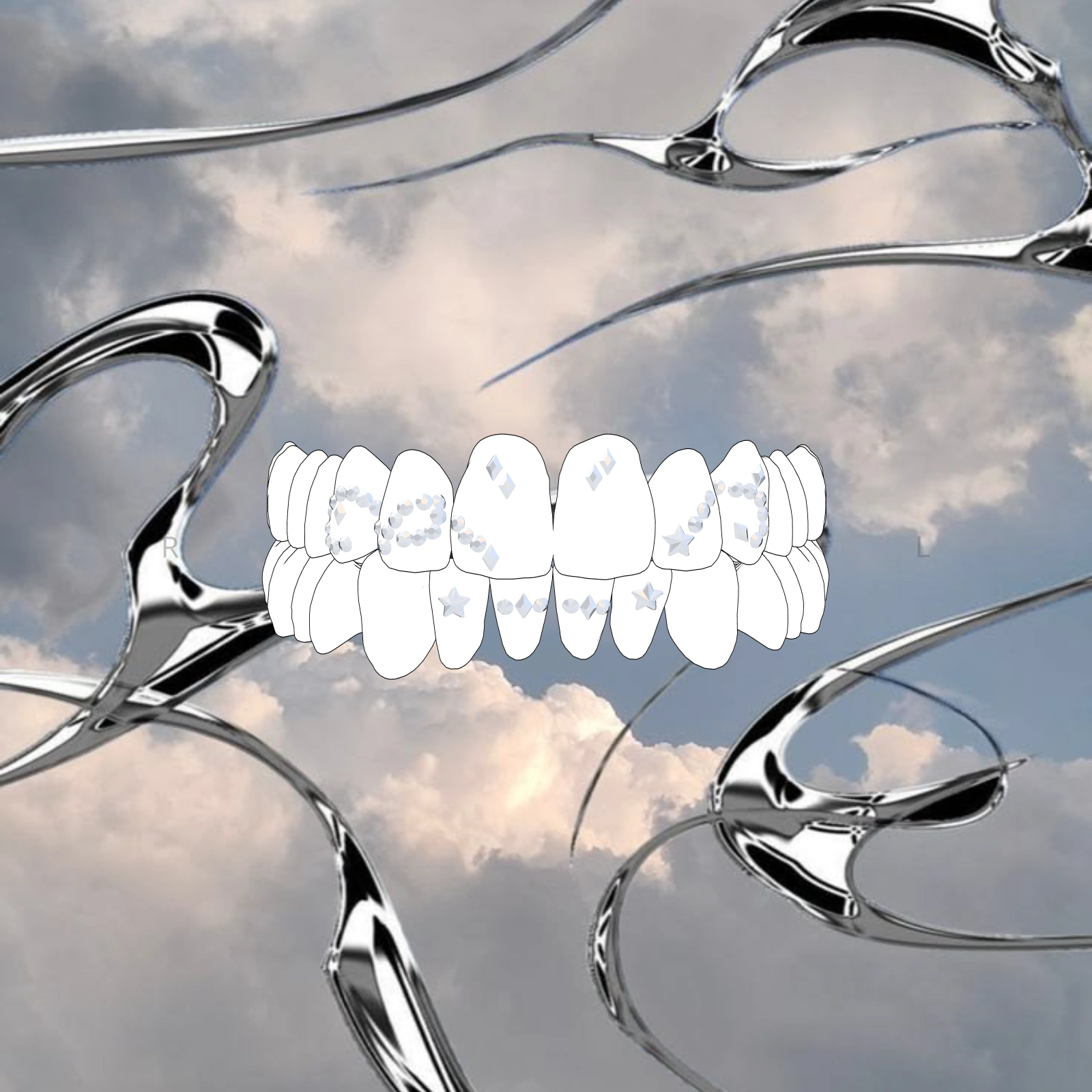
When you price the whole custom design as one premium offer, the crystal cost becomes a rounding error in the value you're actually delivering: the design, your skill, the experience, the result. That's the frame premium businesses operate in, and it's why two artists with similar technical skill can charge wildly different prices for the same afternoon of work.
Premium clients don't haggle: positioning gets you there, discounting doesn't
Here's the part that surprises new techs: the clients who pay full price without blinking aren't the ones you talk into it. They're the ones who already believe, before they message you, that you're worth it. That belief is built by positioning (how your portfolio looks, how confidently you quote, how professionally you present a design), not by shaving your price to make the decision easier.
Every time you discount to "close the deal," you're solving the wrong problem. The client who needed a discount to say yes was never sold on the transformation in the first place. They were sold on a price. Fix the positioning and the haggling mostly disappears on its own.
A strong portfolio sells before you ever open your mouth
This is where the tool comes in. A profitable smile map is one that sells the whole look before a single gem is placed. Your client should be able to see the finished transformation, in context, on a real smile map, and feel the "yes" before you've even quoted. That's exactly what Smile Map is built to do: you design the full custom set on a realistic 3D tooth map, and send your client a clean, view-only link so they can see precisely what they're paying for. No back-and-forth screenshots, no guessing.
Your public portfolio does the same job for cold leads. A gallery of real, finished smile maps (organized, on-brand, and open 24/7) sells your positioning to someone who's never spoken to you. By the time they DM you, they're not asking "how much for a gem." They're asking "when can I get in." That's the client you're pricing for.
One note on numbers
We're not going to hand you a pricelist, because what a tooth gem tech can charge in one city with three years of experience versus another who's just starting out in a smaller market could look vastly different. Skill level, demand, and the reputation you have already built all move the number too. This guide is a framing shift, not a price list. Use it to change how you think about your quotes, then calibrate the actual figures against your own market.
Want the full strategy?
The pricing gives you the framing to start. The full premium pricing strategy (tier structure, positioning, what works to convert DM enquiries into clients) is in The Gemist Hub Academy for artists who want the exact playbook.