
Most artists treat the consult as a formality on the way to the actual appointment. That's backwards. The consult is where a client decides whether you're the right person for this, whether the price feels fair, and whether they're ready to commit today or keep scrolling. Get the consult right, and the appointment is just execution. Get it wrong, and you're negotiating, chasing, or explaining a mismatch after the gems are already placed.
Five things have to come out of that conversation. Here is each one, and the habit that most often stops it happening.
1. Why the client actually wants it, not what they sent you
A reference photo tells you almost nothing about the client holding it. Someone who has been quietly saving for this for months and someone reacting to a video they saw yesterday will send you an identical screenshot, and they need completely different conversations.
"I want to look like the girl on TikTok" and "I want to feel a bit more put together when I smile" are two different briefs. Miss the difference and you design for the photo instead of the person, which is how you end up with a client who technically got what they asked for and still is not delighted.
2. Whether the client is a first timer, and what that changes
Most artists run one consult for everyone. First timers and repeat clients are not the same client. A first timer needs reassurance and a clear picture of what to expect. A repeat client already trusts the process and usually wants to go bigger.
The costly reflex here is pushing the biggest set at someone who is still nervous. It feels like the higher-value booking and it is often the opposite: a hesitant client talked into a full set is where buyer's remorse and redos come from, while a smaller starter set that lands well is what creates a client who returns for the full collection on their own. Reading which client is in front of you is the whole skill.
3. Roughly where the client's budget sits, without asking for a number
This is the one that costs the most money. Artists either ask about budget directly, which makes the conversation transactional before any value has been established, or avoid it entirely and then name a price into silence and hope.
Clients signal their range constantly, through the way they describe what they want. "One little accent, something subtle" and "a full set, maybe different colours for different seasons" are both budget statements. The artists who never have an awkward money moment are not braver about asking. They are listening for it and never need to.
4. Anything in the client's dental history that changes the appointment
Ask it plainly, in as many words: is there anything about your teeth, your health, or past dental work I should know before we start. This one is not a sales question and there is no clever version of it. It is where you catch recent dental work, sensitivity, existing bonding or veneers, and allergies relevant to your materials. Rushing it, or treating it as a form to be signed rather than a question to be answered, is the habit that turns a manageable situation into a bad appointment.
If anything raised here sits outside your comfort zone or looks like a genuine dental question, say so and point the client to their dentist before you commit to the booking. That's not a lost sale. That's the judgment call that keeps your reputation and your client's safety intact, and clients notice when an artist takes it seriously instead of rushing past it.
5. Whether the client has actually seen it, or is just imagining it
Everything up to this point has been you listening. The last thing a consult has to do is show them something real, and this is where most of them stop short. A client saying yes to a description in a DM thread is a client who can still talk themselves out of it later, because they agreed to their own mental picture, not to yours. A client saying yes to an exact, finished-looking design they can see is a client who already knows what they're booking.
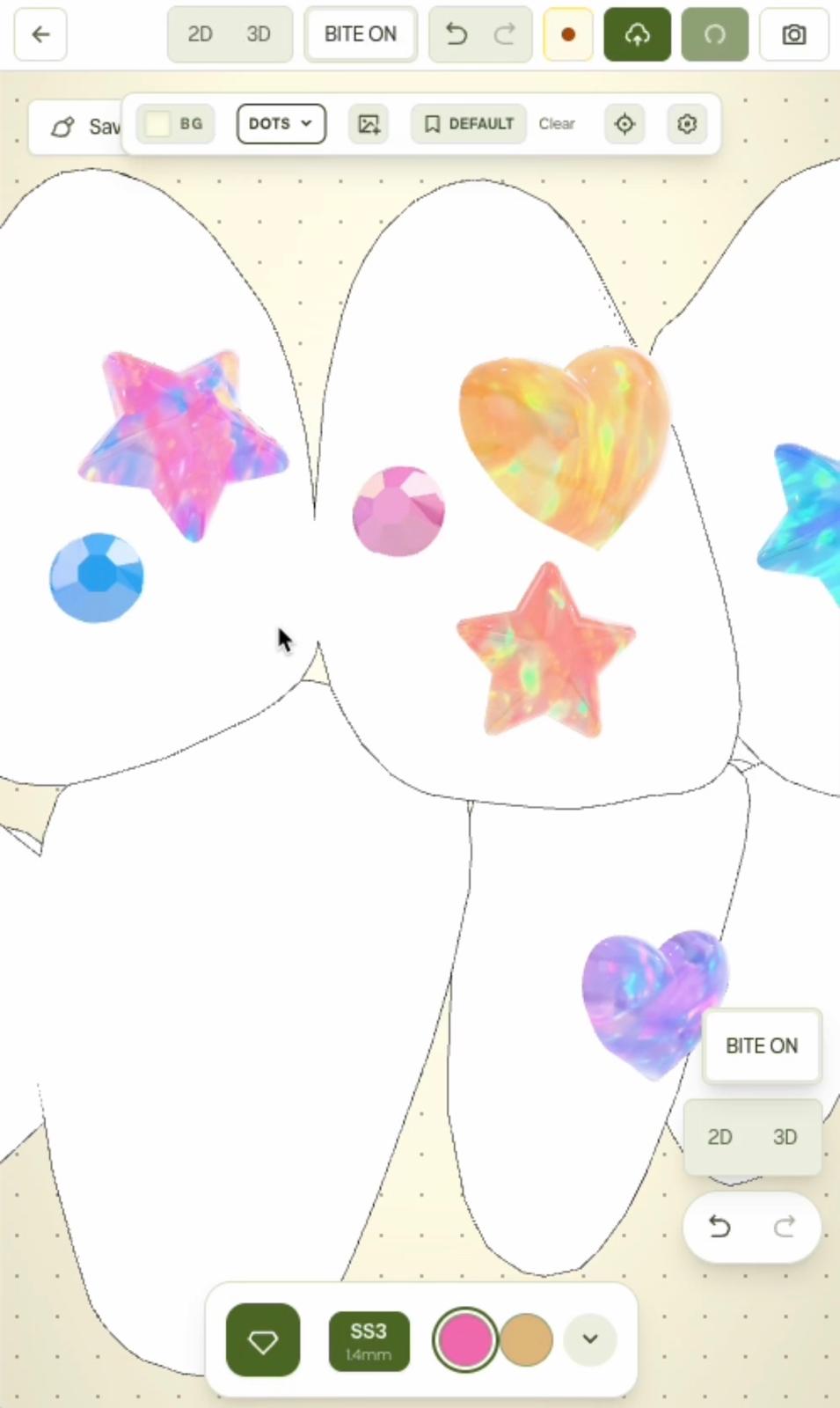
This is exactly the moment a smile map earns its keep. Instead of trying to describe placement and colour combinations in a text thread, lay it out on a real tooth map, style it the way you're actually proposing it, and send a clean, shareable link they can look at, show their friends, and say yes to. "This one" is a much easier sentence for a client to say than "I think I understood what you meant." That certainty is what turns a maybe into a deposit, right there in the consult.
Keep the consult, keep the record
Once the client has said yes, the consult isn't just a memory. The smile map you built to close them becomes the exact spec you work from at the appointment, and it stays attached to their client record afterward. Inside Smile Map, that means no re-explaining the plan on appointment day, and a clean history to reference the next time they book. The consult that closes the sale is also the consult that sets up an easy, professional appointment.