
We already covered the mindset shift, pricing the transformation instead of the crystal, in our tooth gem pricing guide. This post is the follow up: the actual numbers work. What goes into a quote, and the specific places most techs leave money on the table without ever noticing.
Start with what a price actually has to cover
Most new techs price off one input: what the gems cost. That is one line in a much longer list, and if it is the only line you are counting, you are underpricing every single appointment. A price that actually works for you has to cover:
- Materials. The gems themselves, bonding agent, and any consumables you go through per client, including the ones you use but do not charge for directly, like sterilization supplies.
- Your time, the whole appointment. Not just the minutes gems are on teeth. Setup, consult, placement, cleanup, and the time you spend on the design before the client ever sits in your chair.
- Your training and experience. A tech three years and 500 clients in has earned a different number than someone six months into practicing. That is not vanity, it is the actual value of fewer redos and a steadier hand.
- Your market. What a comparable business charges in your city or region. Not to copy them, but to know where your number sits relative to what clients around you already expect to pay for quality work.
- Your positioning. How premium your portfolio, your process, and your presentation already look. This is the multiplier. Two artists with near identical skill can charge very different amounts because one looks, and operates, like a real business.
Run your numbers through all five and you will usually find your current price is lower than what the work actually costs you to deliver well.
Why per-gem pricing quietly caps your income
A price list that reads "$X per gem" feels simple to run, and it is exactly why it holds so many artists back. It puts the cheapest possible unit, a single crystal, at the center of the conversation, and it invites a client to negotiate down: fewer gems, a smaller set, "can we just do two for now." You end up doing more appointments for less money per appointment, and every quote turns into a back and forth instead of a yes.
The fix is not a bigger per-gem number. It is a different unit entirely: price the set, the collection, the finished look, not the individual piece. A client is not paying for a crystal. They are paying for a specific transformation they have already seen and said yes to. Price that.
Why a single number leaves you negotiating
Most artists run one rate, or one rate per gem, and then wonder why every booking turns into a back and forth. A single number gives a client nothing to choose between, so the only move left to them is asking you to come down. A tiered menu changes what they are deciding. Not whether to pay your price, but which version of your work they want.
The tiers themselves are where this gets specific, and where most artists get it wrong. Too few and you are back to a single number. Too many and you have rebuilt a per-gem rate card with extra steps. Where the boundaries sit, what belongs in each tier, and which one you actually want most clients choosing are the decisions that set your income for the year.
How to actually quote a client
The order matters more than most artists realize. Design first, price second, always. When you quote off a description ("maybe a few gems on the top row") both of you are guessing, and guessing is where lowballing and scope creep both start. When you quote off a finished design the client has already seen, you are pricing a specific, agreed thing, not a vibe.
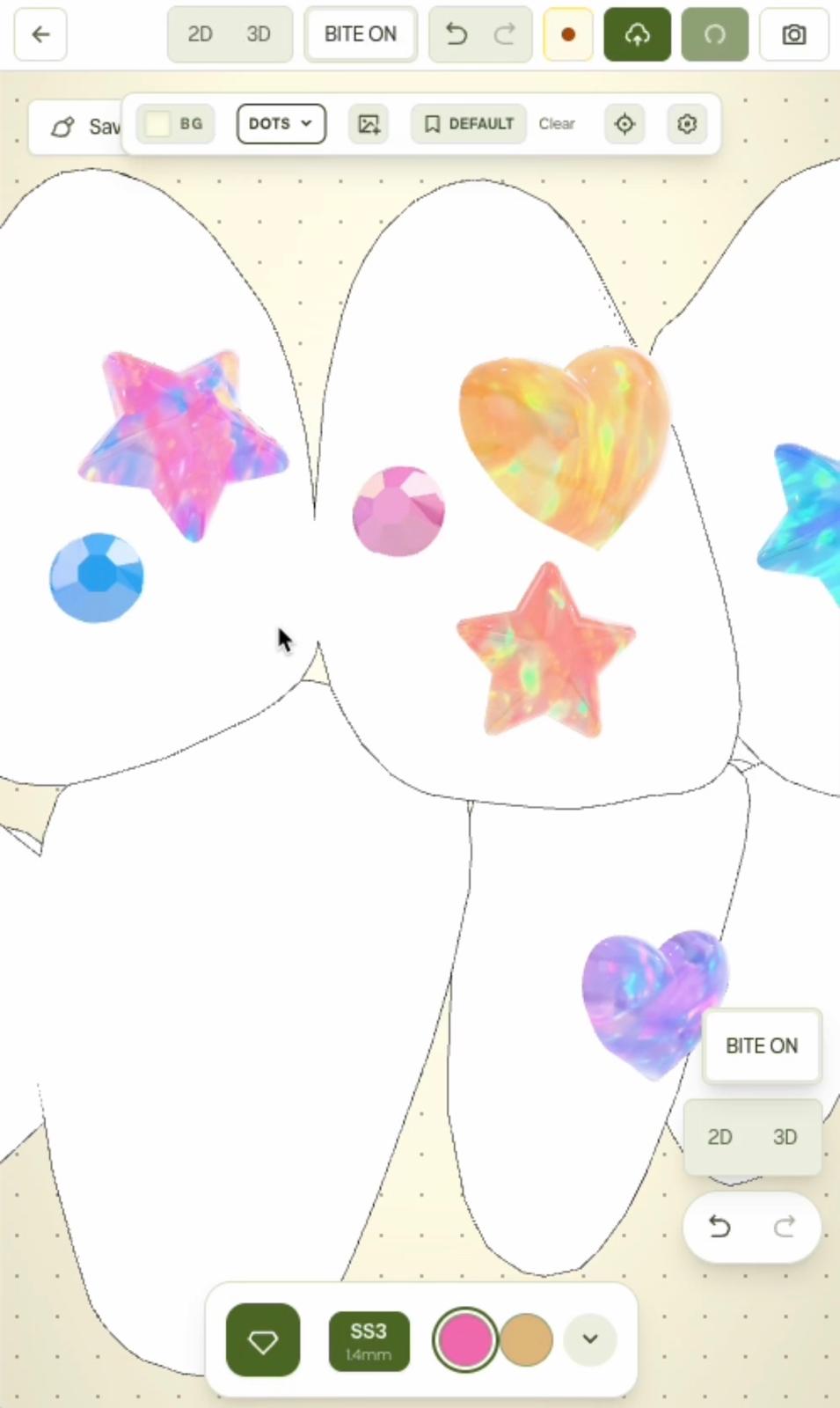
This is exactly the gap Smile Map closes. Lay the full set out on a realistic 3D tooth map, style it as one collection, and send your client a clean, view-only link before you name a price. They see precisely what they are paying for, so your quote lands as "this is what this costs" instead of an opening bid in a negotiation neither of you wants to have.
Where most artists give the money back
"Why is it so expensive" is not really a question about your price. It is usually a question about what is included, or a test to see if you will fold. The reflex most artists have is the expensive one: over-explain, sound defensive, and offer a discount nobody actually asked for. A quote you soften the moment it is questioned teaches a client that the first number was never the real one.
If someone keeps pushing after that, they were shopping on price, not on you, and that is information worth having before the appointment, not during it. Holding your number politely is not rude. It is what tells a client, without a word about it, that your price was already the real price.
Revisit your prices on purpose, not by accident
Set a check in for yourself, every six to twelve months, to actually look at your numbers again. Are you booked out weeks in advance at your current price. Are you saying yes to appointments you would rather not take just to fill the calendar. Both are signals your price is behind your actual demand. Raising your prices as your skill and bookings grow is not greedy, it is just keeping the number honest.
For the deeper mindset behind why premium positioning changes what people are willing to pay in the first place, our pricing guide is the place to start.