Nobody books a stranger with zero visible work. That is not a confidence problem, it is just how trust works. So the actual first job when you are starting out is not "get clients." It is "get the first handful of finished, photographed pieces that prove you can deliver," and then let those pieces do the recruiting for you. Most artists stall well before that point, and almost always for the same few reasons. Here is what goes wrong, and what each mistake costs you.
Why broadcasting to strangers keeps you at zero
The instinct straight out of training is to announce it. A "now booking" post, a fresh business account, a link in the bio, and then waiting. Almost nothing comes back, and it is very easy to read that silence as a verdict on your work. It is not. Nobody books a stranger with no visible finished pieces, however good the training was, because there is nothing there yet for anyone to trust.
Your first clients are not strangers, then. They are people who would say yes to you specifically, before they have seen a single photo, because they already trust you as a person. That part is not the hard bit. The hard bit is the ask: who you go to first, in what order, and how you word it so it lands as an easy yes rather than a favour. You get one clean run at the people closest to you, and most artists spend it on a vague announcement nobody has to answer.
The practice rate goes wrong in both directions
There are two failure modes here and nearly everyone starting out picks one. The first is working free. It feels generous and low risk, and it quietly tells every person you offer it to that the work has no value, which is a signal you cannot walk back when you try to charge those same people later. The second is discounting with no shape to it: no cap on how many, no end point, no clear exchange. That is how an artist ends up a year in, still on mates rates, wondering when the real clients start.
A deliberate practice rate is a genuinely useful step, and it is a structure rather than a discount. How many appointments it covers, what you get back in exchange, how you frame it so the client understands this is a starting price and not your price, and how you move off it later without losing the people who took it, are the decisions that determine whether practice work becomes a portfolio or becomes a habit.
Word of mouth does not spread on its own
After the first two or three pieces, most artists go quiet and wait to see what happens. A referral trickles in occasionally and it feels like luck, because it was. The people best placed to send you your next client are the ones already sitting in your chair, and almost nobody does anything deliberate with them. A happy client who is never given something easy to pass on simply enjoys their gems and says nothing.
The room you work in has the same problem. If you are in a shared salon or studio, someone waiting on another service watches you work and asks what that is. That is the warmest lead you will get all week, and the standard answer, some version of "oh, I'm still kind of new," closes it on the spot. What you hand a happy client, and what you say when a stranger asks, are the two small moves that decide whether ten clients ever turn into thirty.
Instagram will not rescue you before you have work to show
New artists reach for Instagram far too early, get nothing back, and conclude the algorithm is against them. It is not. Posting theory, "coming soon" graphics, and a photo of your training certificate does not book appointments, because none of it answers the only question a stranger actually has: can this person do good work on someone like me. Until you have real finished pieces, there is nothing for the platform to carry.
Once you do, the opposite becomes true, and this is where cold reach starts turning into DMs. Which posts do that work is covered in our Instagram for tooth gem artists guide. What happens in the DM after a client messages you is a separate skill entirely, and it is the one that decides whether an enquiry becomes a booking or another "let me think about it."
Why a shareable design link closes faster than a description
Here is a mistake that quietly kills a lot of early bookings: describing a design in a DM and hoping the client pictures the same thing you do. "A few crystals across the top, kind of a gradient look" means something different in every reader's head, and doubt is exactly what makes a warm lead go cold. She says "let me think about it," and most of the time that think never resolves into a booking.
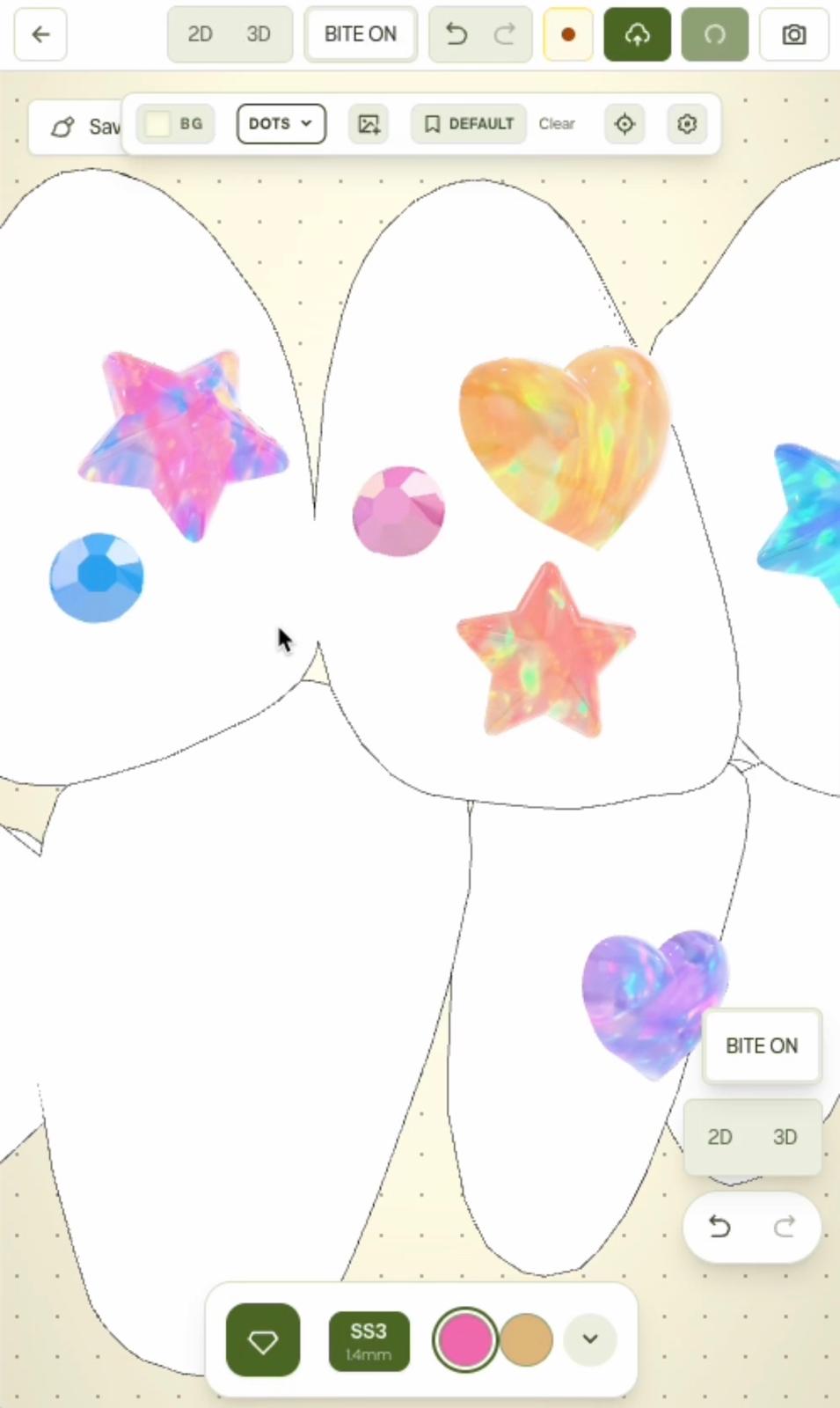
This is the exact gap a shareable design link closes. Build the set on a real smile map, style it the way you actually intend to place it, and send a clean, view-only link instead of a paragraph. They see the finished look before they have paid a cent, which means there is nothing left to imagine and nothing left to hesitate over. That is why we built Smile Map around exactly this: a design your client can look at and say "yes, that one" to, on the first message.
Turn practice work into proof, immediately
Every one of these first ten appointments has a second job beyond the appointment itself: it becomes a permanent piece of your portfolio. Photograph it properly the same day, while the work is fresh and clean. Do not let it live only in your camera roll, waiting for "later" to organize it. The artists who look established fast are the ones who treat every early appointment as portfolio material from day one, not the ones who wait until client fifty to get organized.
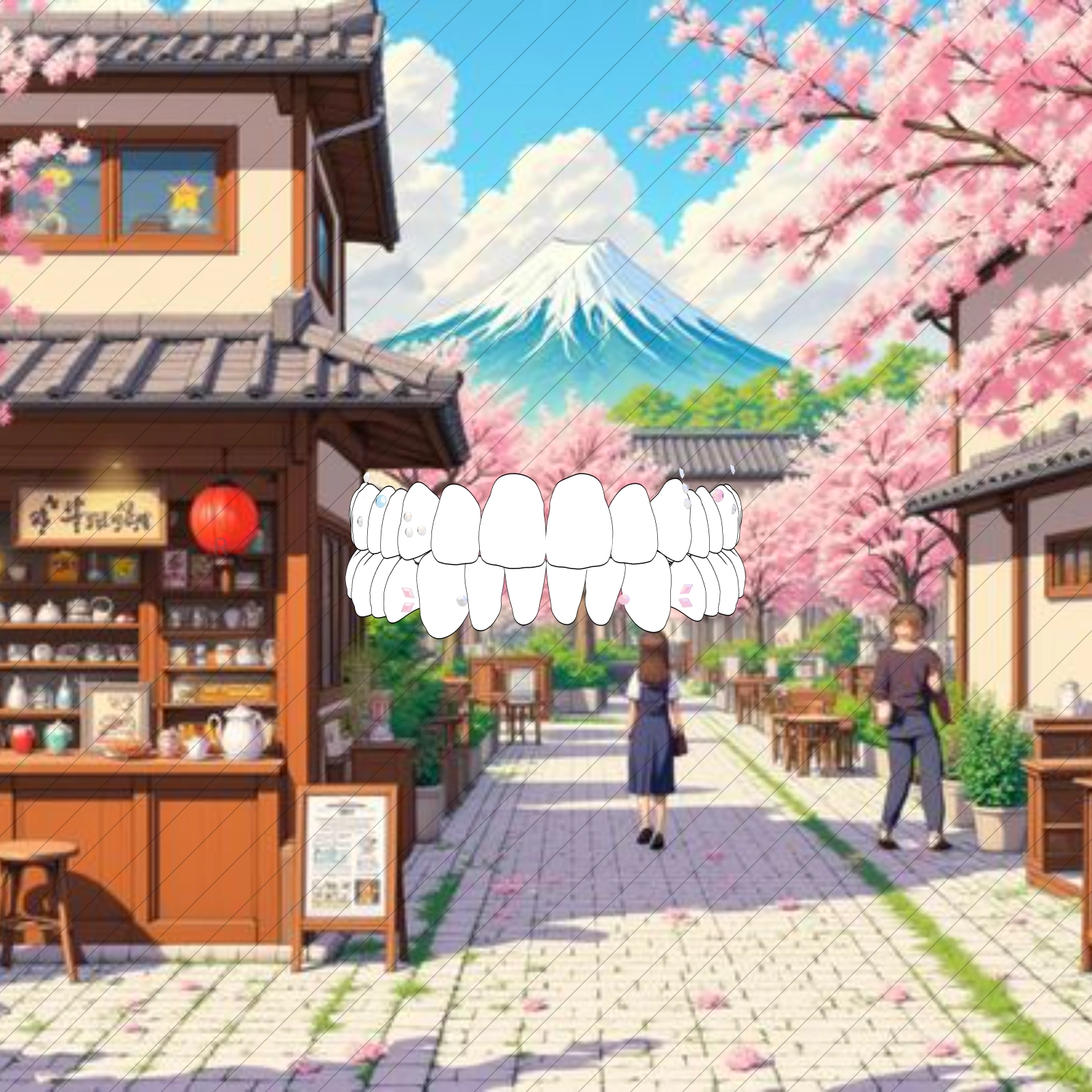
Group your first finished pieces into a portfolio your future clients can actually see, not a scattered feed. Ten well presented pieces read as an established tech. Ten great pieces buried in old Instagram posts read as nobody, because nobody went looking that far back.
Ten is not the finish line, it is the flywheel starting
Once you have ten real, well photographed pieces and ten people who can vouch for you, the math changes. Referrals compound, your portfolio starts doing real work for you, and the "please book me" energy of the first ten flips into people asking when you have availability. None of that comes from a marketing trick. It comes from the same two things the whole way through: work worth showing, and an ask people find easy to say yes to.